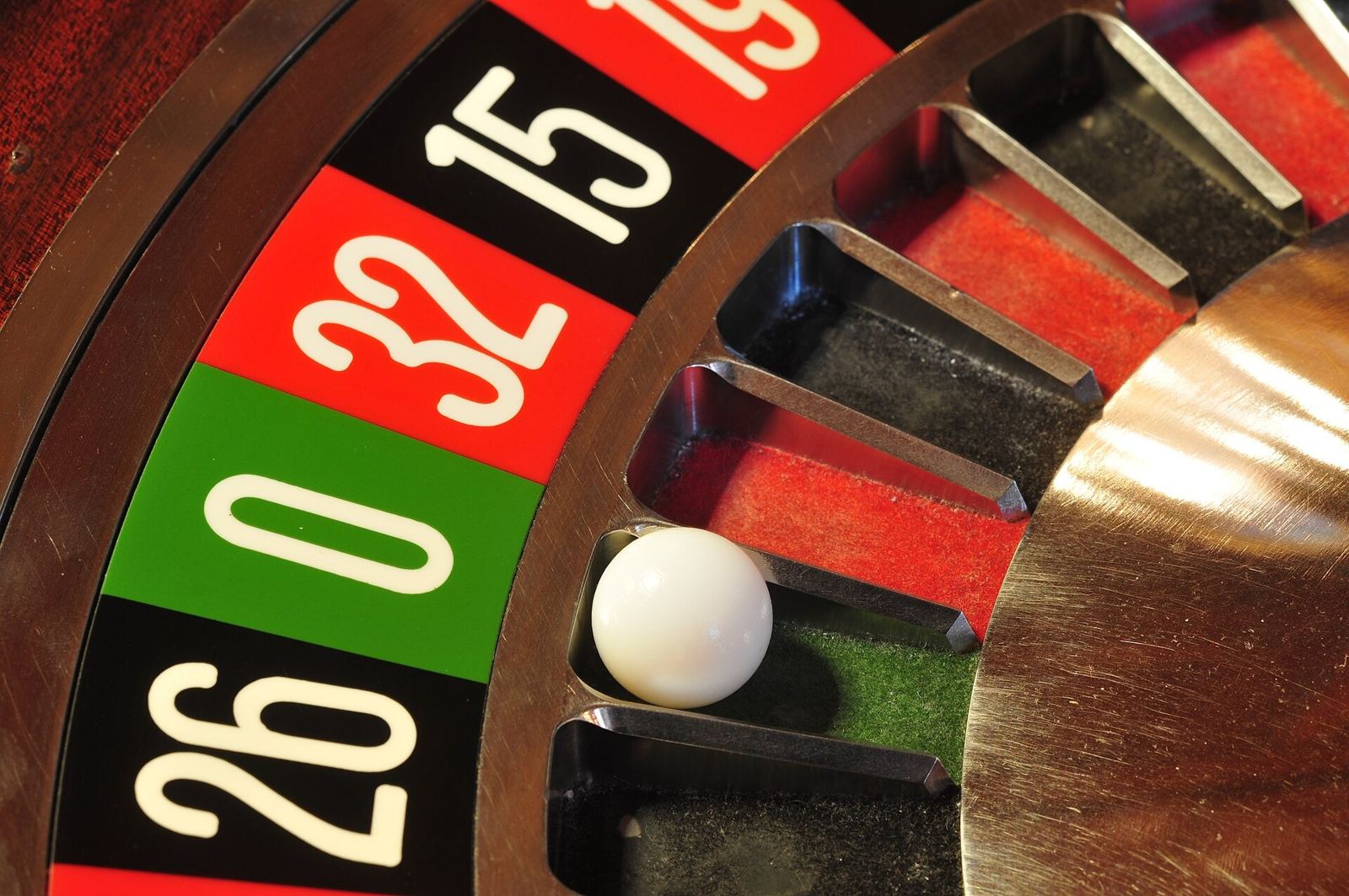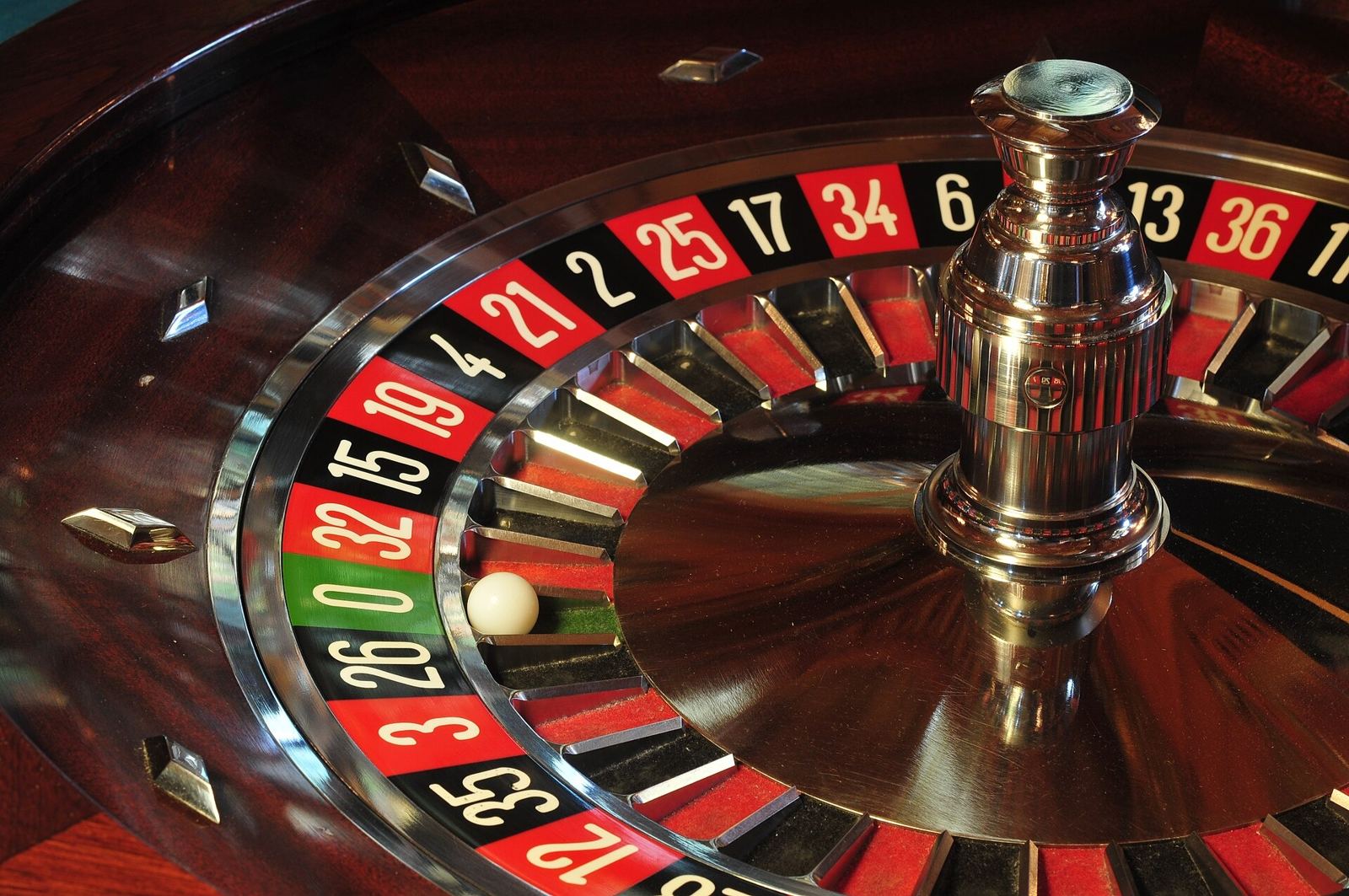
Zero is the dividing line that sets French roulette apart. But its effect is felt the most with la partage and en prison, two simple rules around what happens to an even-money bet when the ball lands on zero.
La Partage is the rule that kicks in when the ball lands on 0 and a player has an even-money bet such as red/black, odd/even, or high/low. Under la partage, the player gets half the stake back instead of losing the full amount. So a £10 bet on red returns £5 to the player when the ball lands on 0.
The alternate approach is called En Prison: instead of returning part of the bet, the dealer places a marker on it using the French term En Prison, which translates as "in prison". This "imprisons" the stake for an additional spin; if it wins on that spin, the stake is returned with no other payout, while if it loses, the bet is taken by the house.
The effect on the long-run edge is simple: on even-money bets, the house edge is cut by half when la partage is applied.
French roulette also uses call bets on sections of the wheel. Voisins du zéro, French for "neighbours of zero", for example, covers the section of the wheel around the zero.
So, while La Partage and En Prison soften the house edge on outside even-money bets, it's always worth checking which of the two rules a French roulette table uses.
18+. Gambling can be addictive: the National Gambling Helpline is free on 0808 8020 133.